Smart fridges for businesses · Buy · rent · lease
+32 466 15 47 23 Free site check
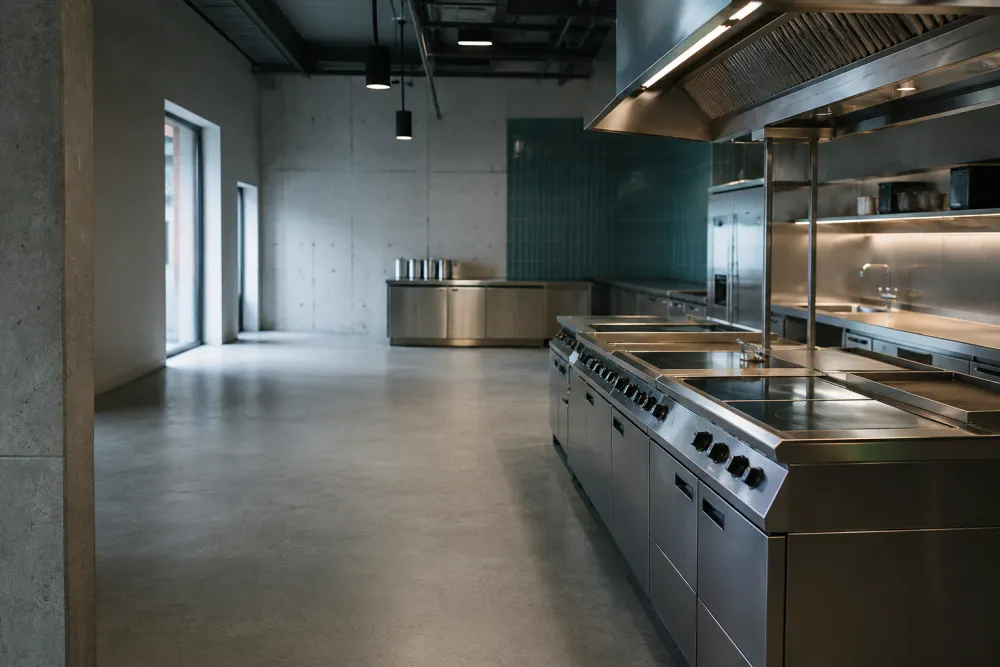
Empty professional kitchen after service
Leftovers have an owner

Food waste
at work

Somebody always pays for what is left over. In a canteen it is the kitchen, with a caterer whoever ordered too much, with a fruit bowl the office manager throwing out brown bananas on Friday. So anyone who wants to reduce food waste at work starts with the question of who carries the loss, and whether they can do anything about it.

Who carries the loss Steering by sales No big words
Where waste comes from

Fixed portions,
changing headcount

Most food waste at work comes from one source: a fixed amount of food for a number of people that changes every day. A canteen that cooks for eighty and sees fifty throws food away at the end of service. What that does to the cost of a canteen is covered in what a staff restaurant costs.

The second source is follow-up. A fridge or fruit bowl that nobody keeps track of fills up with out-of-date products. Nobody throws them away on purpose; they just sit there until they have to go, and then everything goes in the bin at once. In the office, that is the fruit-bowl story in office snacks.

Canteen Caterer Fruit bowl Shared fridge
Where it goes
  • Plates left over after service
  • Sandwiches ordered in excess
  • Fruit nobody ate
  • Boxes in the shared fridge
  • Products that went past their date
  • Buffets after a meeting
Comparison

Who carries
the loss

  Canteen Caterer or sandwich service Fruit bowl or snack drawer Chilled fridge
Who carries it You or the caterer You, if you over-ordered You Whoever carries the stock
Steered by consumption By estimate By order Hardly Per product, by what sells
When it shows After service After lunch On Friday At every restock

The right-hand column is what we make, so weigh it with that in mind. For a canteen it matters most when attendance drops; see alternative to a staff canteen.

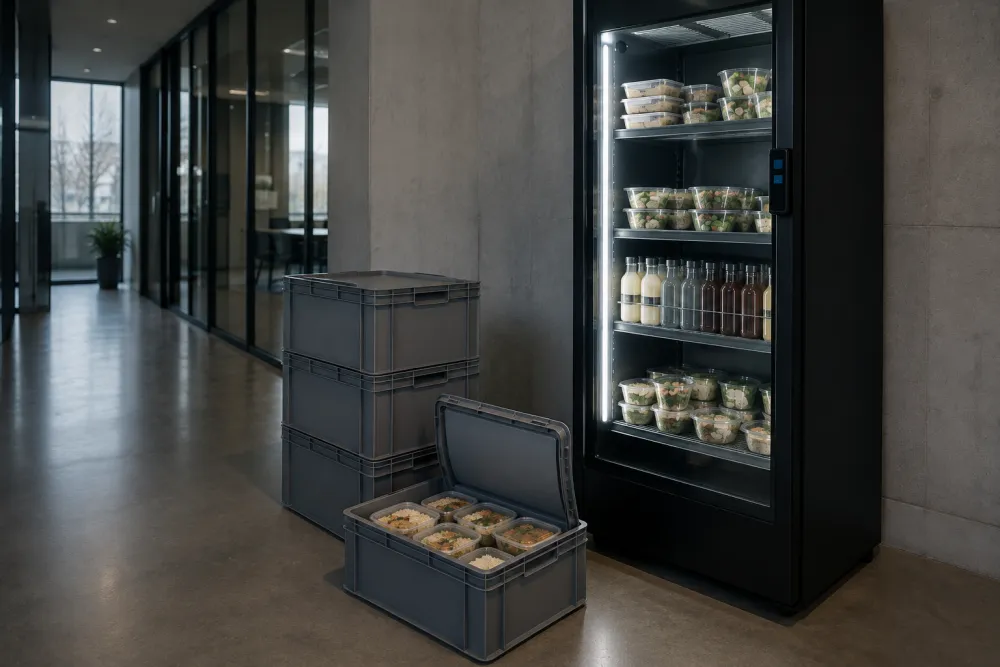
Transport crates in an office corridor
Steering by what sells

Fewer leftovers
by counting

01

Record

The fridge counts per product what goes out, and every next order is based on that count.

02

Adjust

What stays on the shelf leaves the range; what sells gets more space.

03

Watch the dates

At every restock, what is nearing its date comes out, before someone finds it at four in the morning.

04

Longer shelf life where needed

With low footfall, a range with a longer shelf life beats fresh food that gets left.

Why freshness and footfall go together is covered in fresh meals at work.

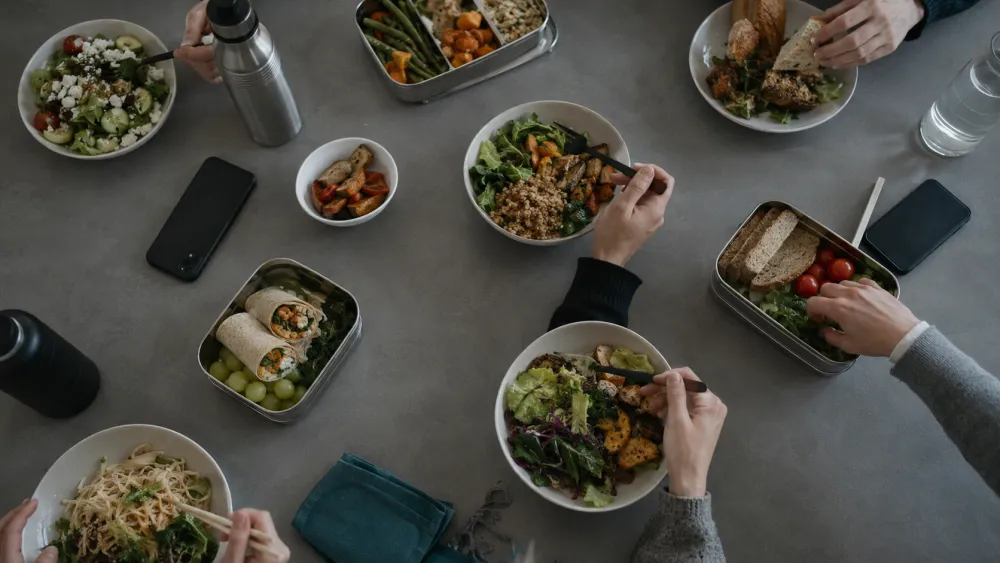
Lunch on the table seen from above
Why the model matters

Whoever pays
steers better

Whoever buys the stock and carries what does not sell has every reason to keep the range as tight as possible. If you buy or rent the fridge, that is you or your supplier, and the sales per product give you the numbers to do it. Make sure your arrangement with a supplier puts that incentive in the right place. Write-offs also count in whether a fridge pays off; see when a smart fridge pays off.

We make no promise here about what happens to products that are taken back. The aim is that as little as possible has to go back. What the fridge costs is in what a smart fridge costs.

Sound familiar?

Signs of food waste
at your workplace

How to set it up
Read on
What goes inside
Approach, delivery and safety
Frequently asked questions

About food waste
at work

What happens to products that go past their date?

They come out before the date is reached and are a loss for whoever carries the stock. The aim is to keep that number as low as possible, which is why the range is steered by what sells.

Is less thrown away than with a canteen?

That depends on your canteen and your attendance, and we give no comparative figure. What is certain: a fridge is restocked to what actually goes, whereas a canteen has to estimate in advance how many people will come.

Can we see how much does not sell?

Yes. The fridge shows per product what sells and what stays, so you can see for yourself where the range was too generous.

Does free food help against waste or make it worse?

A completely free range increases uptake, but also what is taken and not eaten: what costs nothing is more easily taken and forgotten. A subsidy on certain products usually works better than everything free.

What do we do with leftovers from a team lunch?

They belong in your own kitchen. Anything that has been out of its packaging does not go back into the fridge. If you use packed products from the fridge for a meeting, what stays unopened can simply be taken later.

What do you throw away on Fridays now?

Eight short questions about your site and your current food offer. We tell you whether a fridge restocked by sales would leave you with fewer leftovers.

Free site check See the options

Takes about 90 seconds · no obligation · no contact details until the last step