A smart fridge is only as good as what is in it. Once it arrives, the question is no longer the unit but who fills it, with what and how often. You can organise that yourself or hand it to a local caterer or operator. Both work, as long as it is settled before delivery.
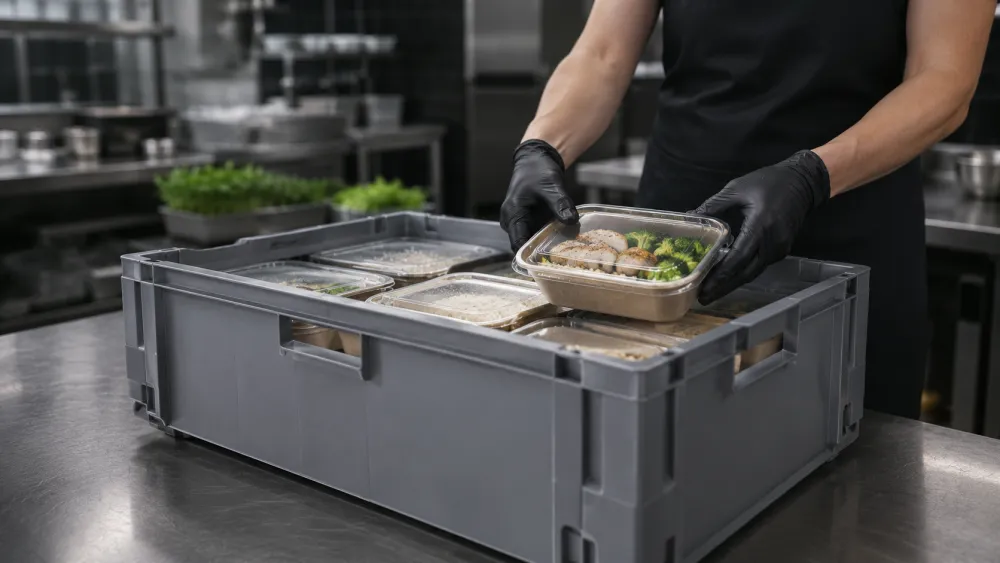
In-house, one fixed person takes it on: they order from one or more suppliers, take deliveries, fill the fridge and remove whatever reaches its date. That works well when someone already looks after a kitchen, a cafeteria or a drinks stock.
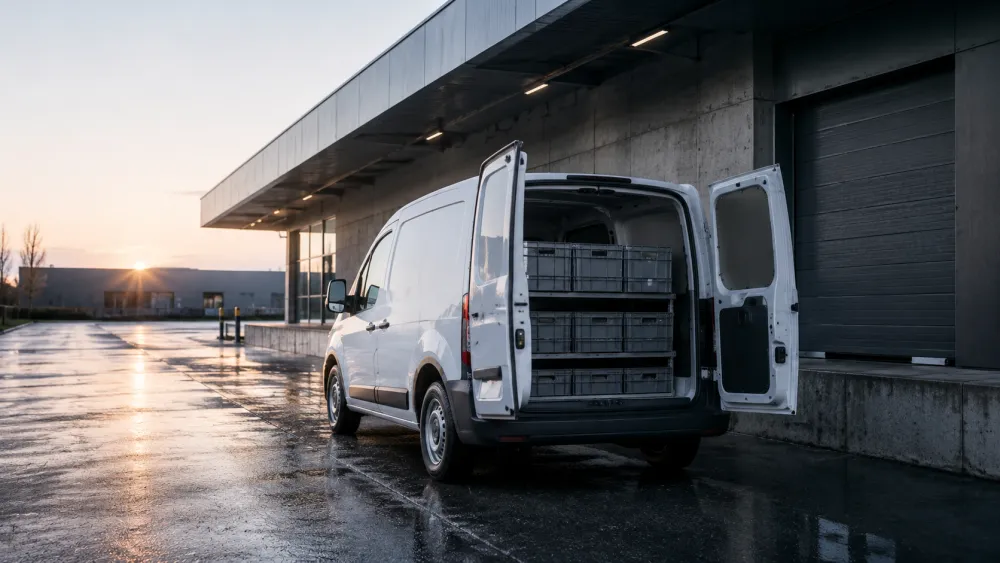
Outsourced, a local caterer or operator delivers and fills the fridge themselves, under an agreement on frequency, range and what happens to unsold stock. You keep the unit and the prices; they bring the food and the work. For sites with nobody to spare, that is often the calmest choice.
The fridge records per product what is taken. You see what has gone and what is left without counting on site.
The order follows those figures: more of what sells, less or none of what stays. No fixed list.
What came in first goes to the front. Fresh items go where people see them when the door opens.
Temperature and the dates on the packaging, on every round. Whatever reaches its date comes out.
What exactly is monitored between kitchen and fridge is covered under food safety in vending.
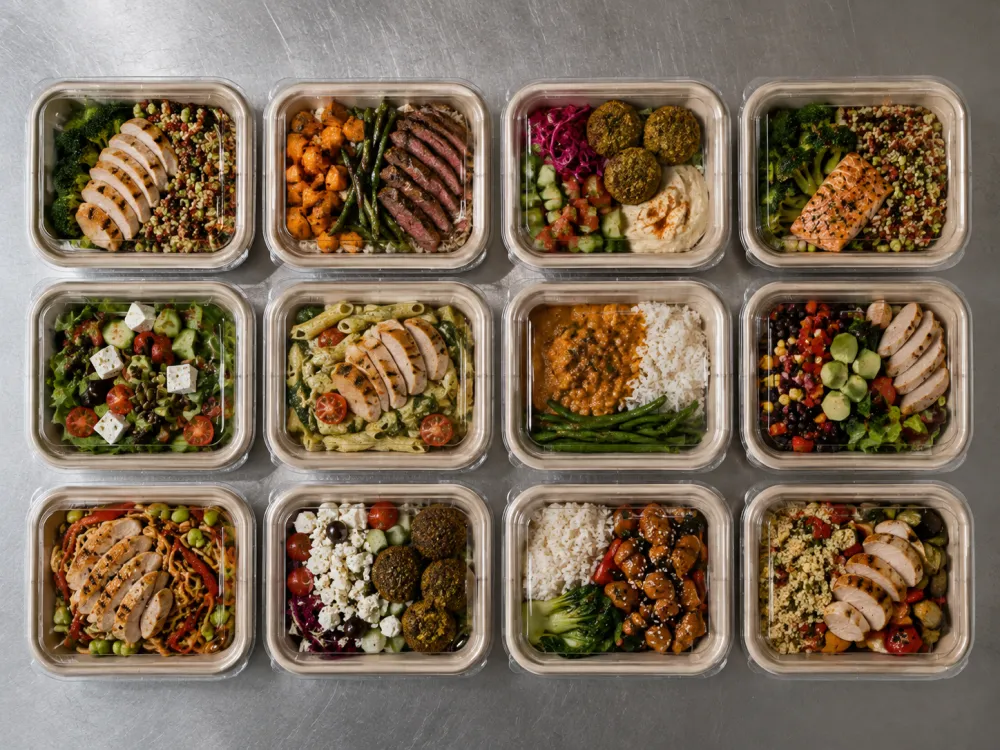
Pasta, curry, stew and soup to heat up, salads and bowls for those who eat cold.
Meal preps with chicken, fish, tofu or pulses, plus skyr, quark, fruit and nuts for in between.
Halal- or kosher-certified producers and a clearly labelled vegan range, next to water, soft drinks and sports drinks.
Halal or kosher: ask your supplier for the producer’s certificate. How to define a halal range is covered under halal vending.

Comparing several proposals? The questions to ask are collected under comparing a quote.

Start with a limited range and build on what sells. What is still in the fridge after a week tells you more than a list of preferences. Sales per product quickly show what your people take, at what time, and what can be dropped from the next order.
A fixed rhythm for chilled meal preps is explained under meal prep for businesses. Daily delivery or a fridge filled from stock: both are compared under having meals delivered.
Yes, if the unit is chilled and does not drop products. A spiral machine cannot take fresh meals; there you stick to what technically fits.
That is your choice. With a fridge you buy, rent or lease, restocking is done by you or by a local caterer or operator.
Yes. Starting with a limited range and expanding on what sells is almost always wiser than offering everything at once. The first weeks show what your people take.
It comes out of the next order and something else takes its place. What happens to items already delivered is something to agree with your supplier before you start.
Yes, if that is in the agreement: delivering, filling, rotating and removing items near their date. You keep the unit and the prices, and sales per product stay visible to you.
Eight short questions about your site. We call you back and look at which restocking set-up fits: in-house or outsourced.
Takes about 90 seconds · no obligation · no contact details until the last step